
Dry mouth and dentures
21 August, 2026
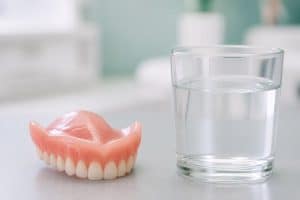
The persistent sensation of a dry mouth, known medically as xerostomia, is a common problem, particularly among people who wear dentures. Saliva plays a vital role in oral health: it keeps the tissues moist, washes away food debris, fights bacteria and — most important for denture wearers — helps hold the denture in place.
Why does dry mouth occur in denture wearers?
Reduced salivary flow can have several causes, and identifying them correctly is the first step towards effective treatment:
- A side effect of medication: more than 400 common medicines, including antihypertensives, antihistamines, antidepressants and diuretics, can reduce saliva production.
- The natural ageing process: with age, the function of the salivary glands may gradually decline.
- General health conditions: diabetes, autoimmune diseases such as Sjögren's syndrome, and thyroid disorders all affect salivary secretion.
- Dehydration and lifestyle: drinking too little water, smoking, excessive coffee or alcohol, and breathing through the mouth during sleep.
- Cancer treatment: radiotherapy to the head and neck, or chemotherapy.
What problems does dry mouth cause if you wear a denture?
A lack of saliva does not only cause discomfort; it directly affects how the denture works:
- An unstable denture: without the thin film of saliva that provides adhesion, the denture no longer stays in place properly.
- Ulcers, irritation and pain when chewing.
- A dry environment encourages infection, most commonly oral thrush, which causes a burning sensation and white deposits.
- Without lubrication, chewing food and pronouncing words clearly both become harder.
What can denture wearers do about xerostomia?
If you suffer from a dry mouth, a number of practical measures and treatments can restore your daily comfort:
- Sip water continuously: drink small amounts frequently through the day to keep the mucosa moist.
- Use saliva substitutes: sprays, moisturising gels or artificial saliva drops applied before fitting the denture.
- Use gel-based denture adhesives: special adhesive creams help hold the denture in place.
- Stimulate saliva: chewing sugar-free gum or sweets containing xylitol stimulates the salivary glands that remain active.
- Keep the denture impeccably clean: wash it daily with special brushes and disinfectant solutions to prevent the build-up of bacteria and fungi.
- Avoid irritants: reduce alcohol, coffee, very spicy or salty food, and stop smoking.
- Use a humidifier: placing one in the bedroom prevents excessive dryness overnight.
When a dry mouth makes a conventional removable denture impossible to wear, modern dentistry offers the ideal alternative: fixed or implant-stabilised dentures, such as overdentures or All-on-4 and All-on-6 systems.