
Dental technology
Advanced technology, built into the clinical workflow
At Didenta Implantology Art, technology is chosen for the role it plays in treatment: to give the clinician more precise information, better control of the procedure, and the ability to work as conservatively and predictably as possible.
The clinic integrates modern systems for diagnosis, digital planning, implantology, oral surgery, endodontics, prosthodontics, laser treatments and patient comfort.
High-performance equipment is not an end in itself. Its value appears when it is placed in the hands of an experienced clinician and integrated into a correctly planned treatment.
Diagnosis and visualisation
Digital dental imaging
Digital imaging is one of the foundations of modern dental diagnosis. Digital radiology systems provide the images needed to assess dental and bone structures quickly, and give the clinician the ability to analyse the information immediately.
Digital images can be used for diagnosis, for monitoring treatment progress and for planning procedures — including in implantology and endodontics.
The advantage for the patient: the information needed for treatment is available quickly, and the clinician can make decisions based on a clear picture of the clinical situation.

Intraoral camera
The intraoral camera lets the clinician view dental surfaces and oral tissues in real time, with the image displayed on a monitor.
It is important not only for examination, but also for communication between clinician and patient. Areas that are difficult to see directly can be magnified and shown to the patient, so the diagnosis and the treatment recommendations are easier to understand.
The advantage for the patient: a clearer understanding of their own dental situation and of the stages proposed in the treatment plan.
Magnification
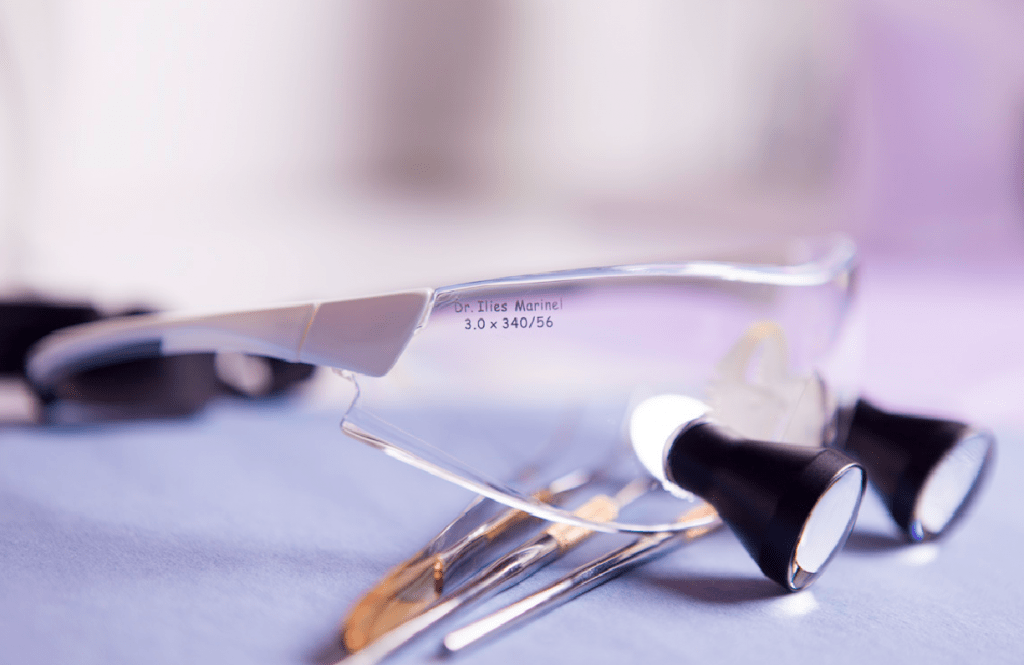
In many dental procedures, the difference between a routine intervention and a very precise one can lie in visibility of detail.
Magnification systems allow the clinician to work with an enlarged view of the operating field, which makes it easier to identify fine structures and to control the procedure more carefully.
Magnification can be especially useful in endodontics, prosthodontics, oral surgery and other procedures that require a high level of precision.
Digitisation and modern dentistry
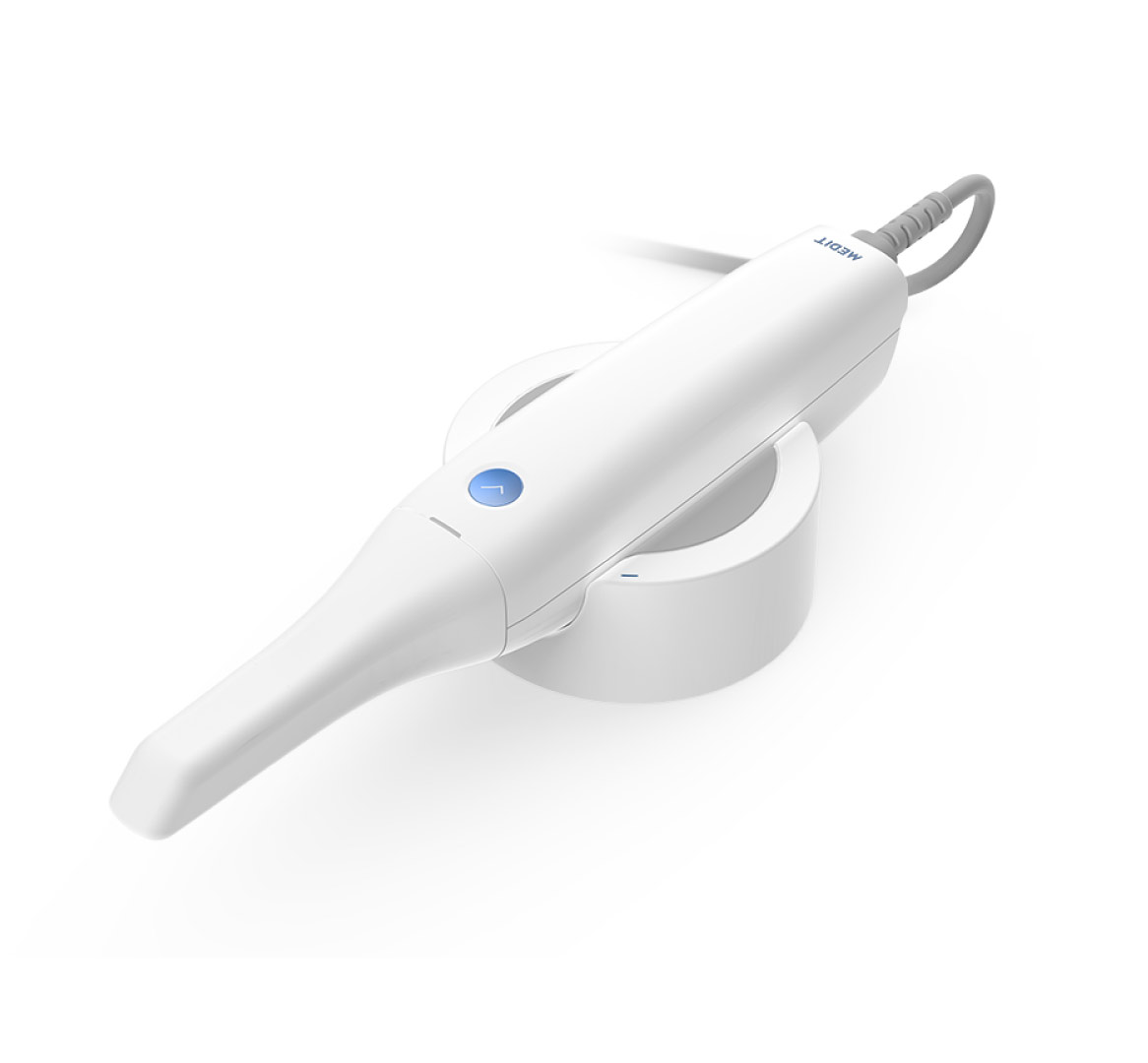
Medit intraoral 3D scanner
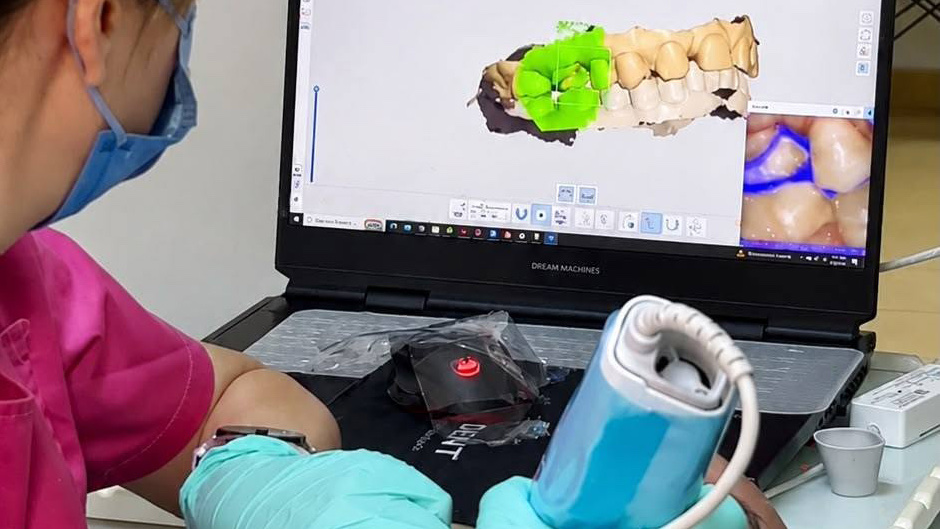
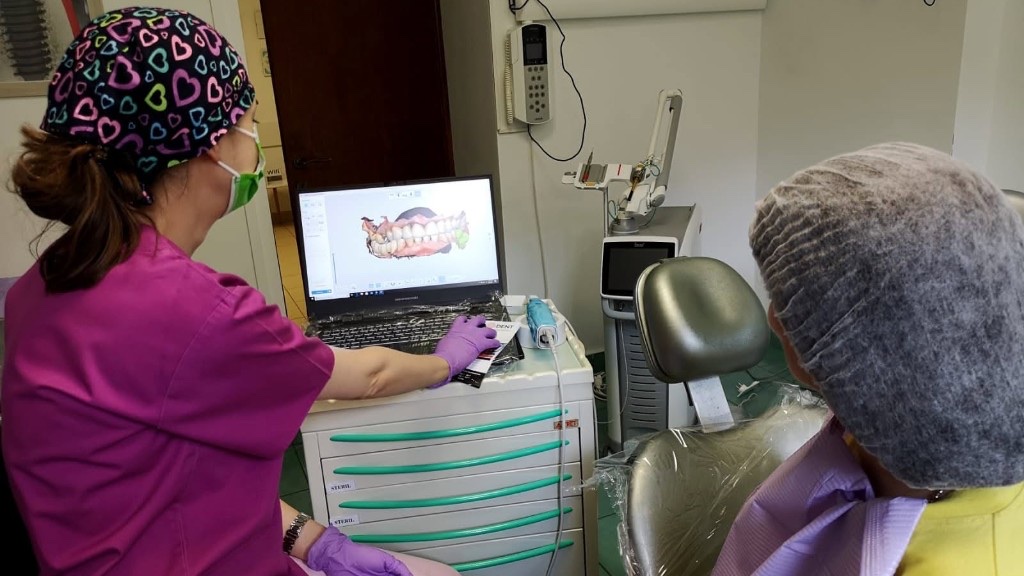
The Medit intraoral scanner records the dental arches digitally and turns them into a three-dimensional model.
Instead of conventional impressions, where the clinical protocol allows it, the information is captured digitally and can be sent straight to the planning and design stage.
The technology is particularly useful in prosthetic and orthodontic treatments and supports collaboration between clinician, patient and dental laboratory.
For the patient: a more comfortable experience than conventional impression-taking, and a digital workflow that is fast and precise.
CAD/CAM system — 5-axis milling unit
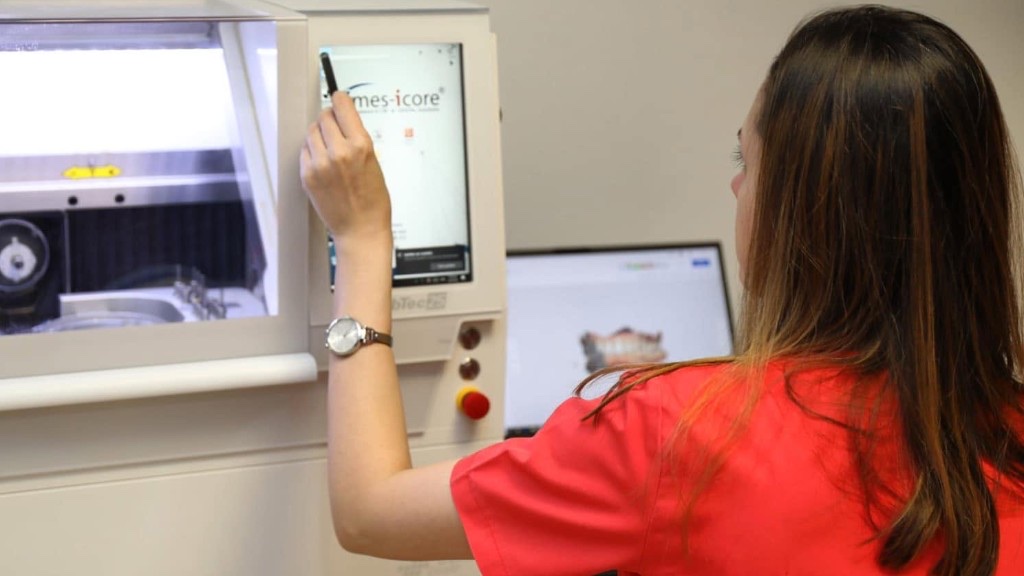
CAD/CAM technology allows dental restorations to be designed digitally and manufactured by computer.
The 5-axis milling unit can machine dental materials such as zirconia, ceramic or PMMA, based on a digital design produced in the planning stage.
Integrating this type of technology gives very good control over the manufacturing process and helps obtain restorations with precise, repeatable geometry.
In certain cases, and depending on the clinical indication, the CAD/CAM workflow can reduce intermediate stages and the time needed to complete a restoration.

Implantology and oral surgery
W&H physiodispenser
The physiodispenser is used in implantology to prepare the site and place dental implants.
The unit allows the working parameters to be controlled during the procedure, giving the surgeon a precise instrument for the surgical protocol.
In implantology, control of speed, torque and cooling is important for carrying out the procedure correctly and for protecting the tissues.

Piezotome Cube
Piezotome Cube uses piezoelectric technology for surgical work on bone tissue.
Unlike conventional rotary instruments, piezoelectric technology allows controlled cuts in bone, with an approach aimed at protecting neighbouring soft tissues.
It is used in various oral surgery and implantology procedures, including certain bone preparation and reconstruction interventions.
For the patient: the possibility of more controlled interventions and, depending on the procedure, a less traumatic approach to the tissues.

SonicWeld — KLS Martin
SonicWeld is used in oral surgery and in bone reconstruction and augmentation procedures.
The technology allows certain resorbable materials used in bone reconstruction to be fixed by means of ultrasonic energy.
One of the important advantages of the system is the option to use materials that resorb over time, which can, in indicated cases, eliminate the need for a later intervention to remove fixation materials.

Duo A-PRF / I-PRF centrifuge
The centrifuge is used to obtain autologous fibrin concentrates, such as A-PRF and I-PRF, from a volume of blood taken from the patient.
These concentrates can be used in certain oral surgery and implantology protocols, depending on the clinical indication, to support the natural processes of healing and tissue regeneration.
The advantage of this type of protocol is the use of the patient’s own biological components, integrated into the surgical plan when there is an indication.

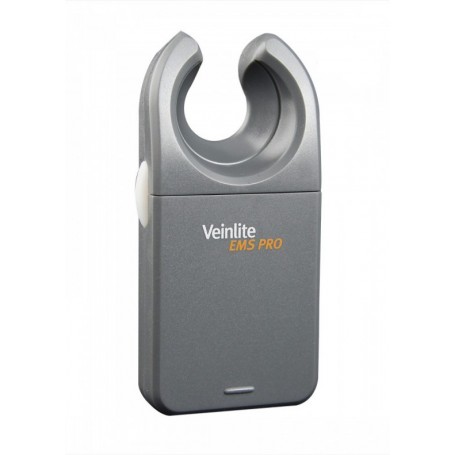
VeinLite vein finder
VeinLite is used to visualise and identify veins before blood collection.
In protocols that require a blood sample for the preparation of autologous concentrates, the device can make it easier to identify the vessels and to carry out the collection.
Laser technology
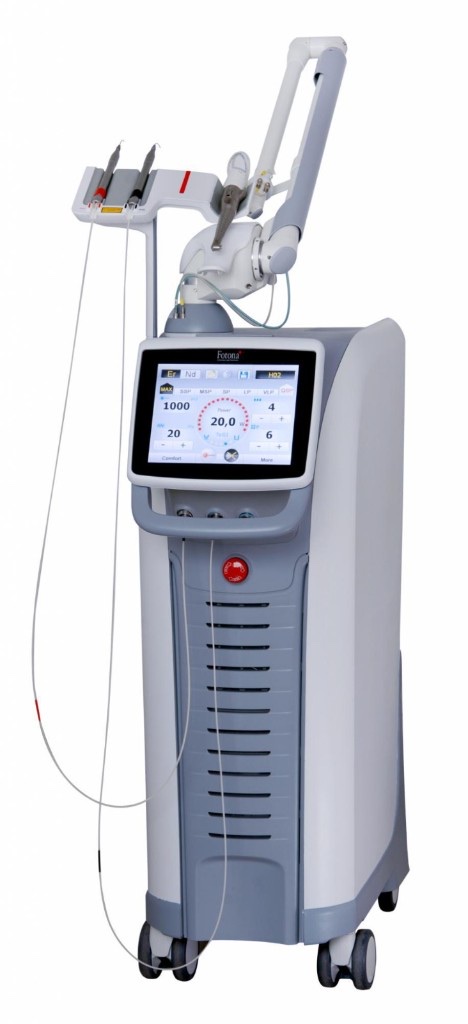
Fotona LightWalker
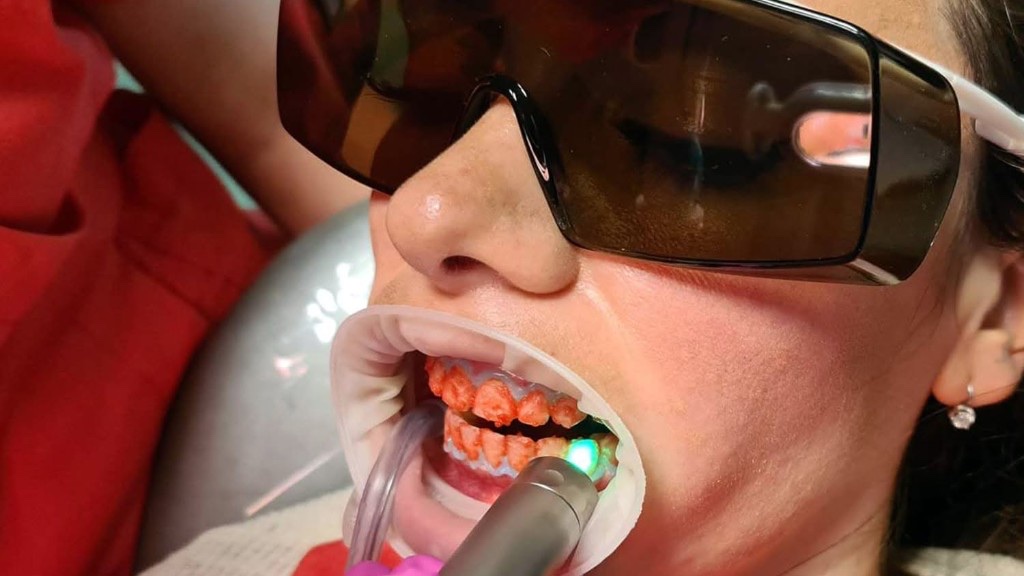
The Fotona LightWalker dental laser is one of the important technologies used in the clinic for treatments of hard and soft tissues.
Laser energy can be used, depending on the clinical indication, in a wide range of dental and surgical procedures.
The technology allows precise control of the energy applied and can support minimally invasive approaches in certain treatments.
Laser use is always decided according to the patient’s diagnosis and the treatment objectives, not as a universal alternative to conventional methods.
Endodontics
NSK Apex Finder
In endodontic treatment, determining the correct length of the root canal is an essential step.
The NSK apex locator allows the working length of the root canal to be determined electronically and gives the clinician an important reference for carrying out the treatment.

ProTaper X Smart Plus endodontic micromotor
The system is used for the mechanical preparation of root canals with rotary endodontic instruments.
The micromotor allows the working parameters to be controlled and supports the use of modern canal-preparation instruments.
By integrating these technologies, endodontic treatment can be carried out in a more controlled and more standardised way.

Elements Free obturation system
Elements Free is designed for root-canal obturation using warm vertical condensation techniques.
The system allows temperature control and rapid heating of the filling material, helping it adapt inside the canal system.
Single-use gutta-percha cartridges also support hygiene protocols and reduce the risk of contamination during the procedure.

Gutta Cutter
Gutta Cutter is used in endodontic treatments to section and shape gutta-percha cones.
It is an auxiliary device that completes the root-canal workflow.

Prosthodontics and occlusion
Amann Girrbach facebow and articulator
When making prosthetic restorations, the position of the jaws and the relationship between them are important for obtaining a functional and aesthetic result.
The facebow and articulator make it possible to reproduce and analyse jaw relationships and occlusal contacts in a controlled way.
These instruments are especially useful in complex prosthetic cases, in which function, aesthetics and occlusion need to be planned together.

Comfort and anxiety control
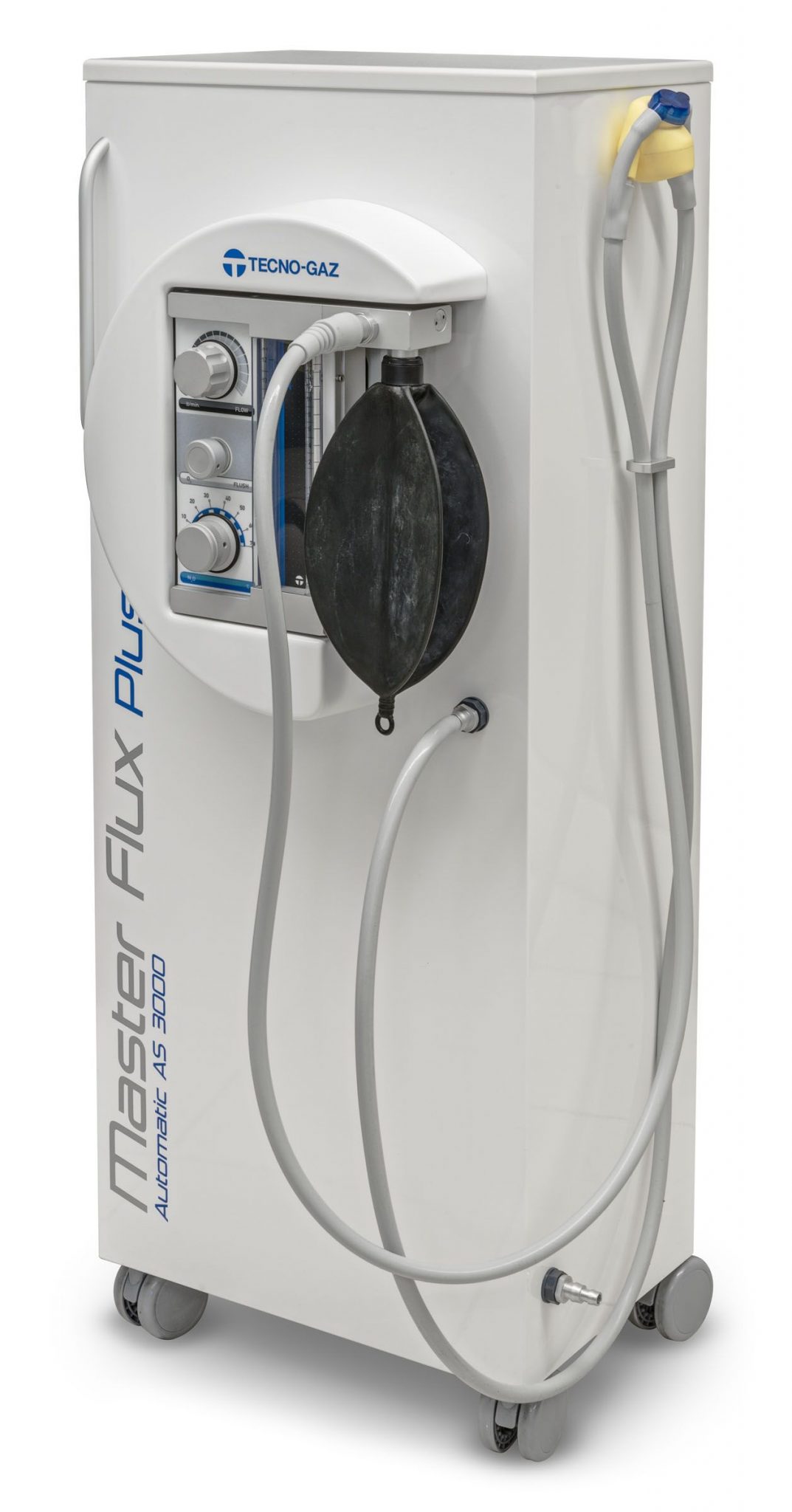
FluxMaster inhalation sedation
For patients who experience anxiety or fear associated with dental treatment, the clinic has a conscious inhalation sedation system.
FluxMaster allows a controlled mixture of oxygen and nitrous oxide to be administered, under the supervision of the medical team.
The aim is to reduce anxiety and create a more comfortable experience during certain procedures, when this method is indicated for the patient.
Anthogyr Safe Relax
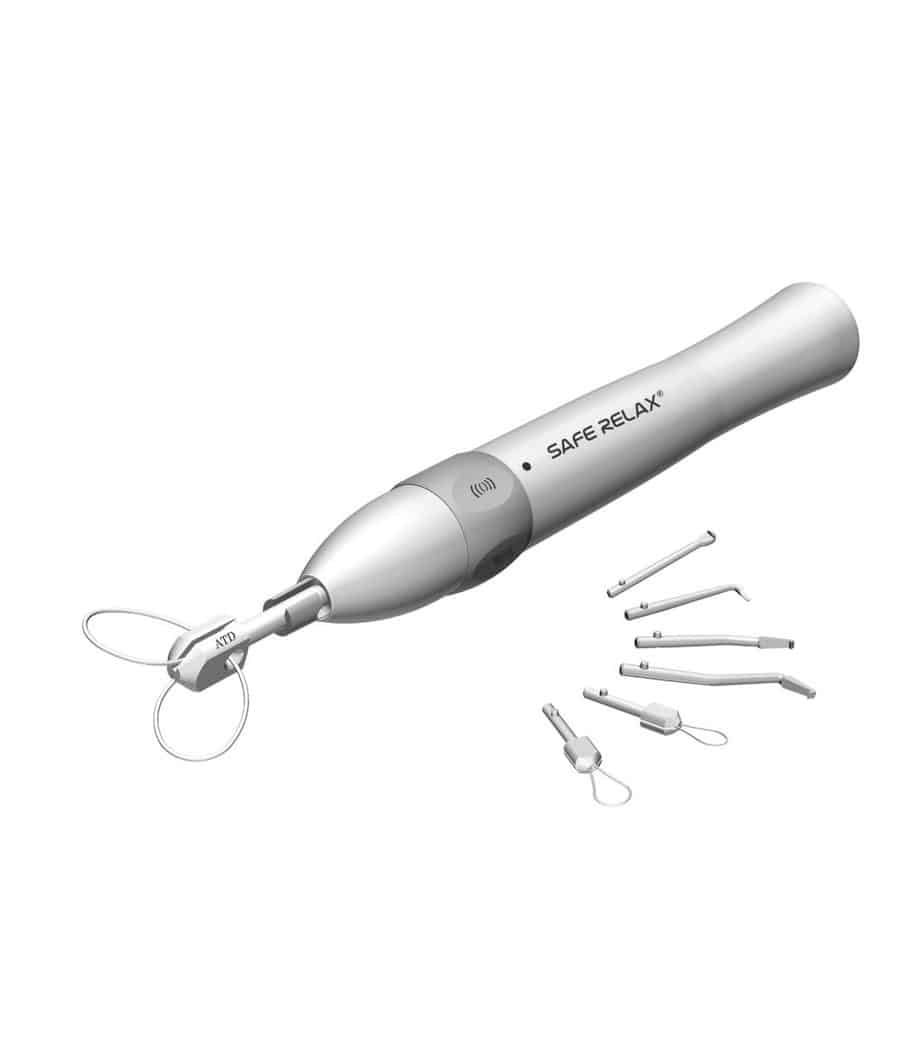
Anthogyr Safe Relax is used for the controlled removal of certain crowns and bridges.
The system allows the force applied during the procedure to be controlled, which can contribute to a more controlled removal of the restoration and to reducing patient discomfort.
Prophylaxis unit
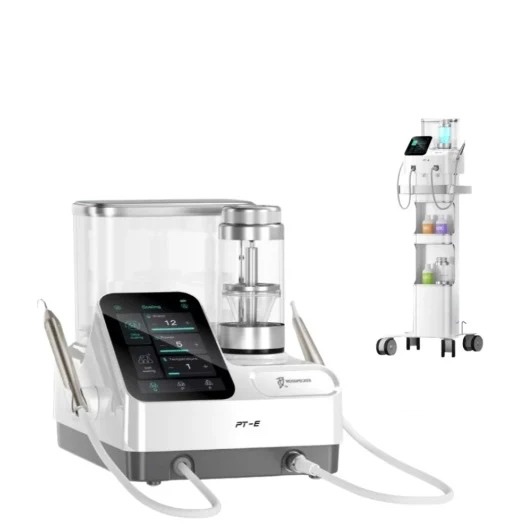
Prophy-Jet
Prophy-Jet is used for prophylaxis procedures with Air-Flow technology.
The system uses a controlled jet to remove deposits and extrinsic stains from the tooth surface, including stains associated with coffee, tea or tobacco.
It is an important instrument in professional cleaning procedures.
Dental units
Castellini
Didenta Implantology Art treatment rooms are equipped with Castellini dental units, designed for clinician ergonomics and patient comfort.
The units integrate lighting and instrumentation needed to carry out dental procedures in an organised, controlled workspace.
Their equipment includes:
- fibre-optic systems
- cooling systems for working instruments
- intraoral camera
- endodontic micromotor
- curing light
- scaler
- negatoscope

Sterilisation and safety
A rigorous protocol, from cleaning to sterilisation
Patient safety is an essential part of clinical care. For this reason, instrument processing is carried out in stages, through a dedicated protocol of cleaning, packing and sterilisation.
-
01
Pre-cleaning and decontamination
Instruments go through pre-sterilisation and cleaning stages using dedicated solutions.
-
02
Cleaning and drying
Instruments are washed, rinsed and dried before packing.
-
03
Packing
Instruments are packed individually in single-use materials with sterilisation indicators.
-
04
Sterilisation
Packed instruments are sterilised in an autoclave, according to the applicable protocols.
-
05
Storage
Sterile instruments are kept under controlled conditions, in dedicated spaces, until they are used.


Why technology matters
High-performance equipment has value when it is correctly integrated into the clinical workflow.
At Didenta Implantology Art, technology is used to support the three essential elements of modern treatment:
Precise diagnosis
Clear information for assessing and planning the case.
Controlled treatment
Instruments that allow the clinician to work with precision and to adapt the procedure to the clinical situation.
A more comfortable experience
Technologies that can reduce the invasiveness of certain procedures and improve patient comfort.
In the end, however, technology remains a tool. The result of a treatment depends on the correct diagnosis, the clinician’s experience, individualised planning and respect for medical protocols.
At Didenta Implantology Art, these elements are brought together in a single treatment pathway — from diagnosis and planning through to the intervention and the monitoring of the result.