
E-max, zirconia, feldspathic
20 August, 2026
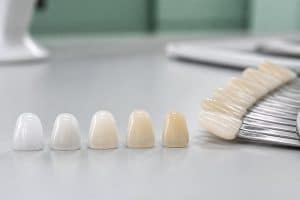
In modern aesthetic and restorative dentistry, ceramic has become the gold standard for rebuilding a smile. Unlike conventional metal-ceramic restorations, new-generation ceramics offer excellent biocompatibility, remarkable mechanical strength and a translucency identical to that of natural enamel.
At Didenta Implantology Art the choice of material is always personalised, according to the position of the tooth in the arch, the chewing forces involved and each patient's aesthetic expectations.
The main types of dental ceramic
Modern dentistry uses three broad categories of ceramic material, each with clearly defined clinical indications:
1. Zirconia-based ceramic
Zirconia, or zirconium dioxide, is an extremely strong material, often called „white steel”. It is used either as a substructure onto which aesthetic ceramic is layered, or milled as a single monolithic piece using digital CAD/CAM technology. It is indicated for crowns on back teeth (monolithic zirconia) and front teeth (zirconia layered with ceramic), for bridges and for restorations on implants.
2. Pressed ceramic / lithium disilicate (for example e.max)
This is considered the most aesthetic dental material available. Lithium disilicate combines high strength with outstanding translucency and light reflection, reproducing the optical properties of a natural tooth. It is the ideal choice for changing colour or shape and for closing gaps between teeth, and is indicated for aesthetic veneers, crowns in the front of the mouth, and inlays and onlays on back teeth.
3. Feldspathic ceramic (layered on platinum foil or a refractory die)
A traditional ceramic, built up by hand by the dental technician. Its aesthetics are exceptional, but its mechanical strength is lower than that of zirconia or lithium disilicate. It is used in selected cases on front teeth where minimal intervention is wanted, such as no-prep veneers.
Why choose digital ceramic restorations at Didenta Implantology Art?
- 3D digital impressions: no unpleasant pastes — we scan the teeth quickly and to micron-level accuracy.
- CAD/CAM digital design: restorations are designed on computer for a perfect marginal fit, preventing bacterial leakage.
- Full biocompatibility: ceramic and zirconia cause no allergies, do not corrode and do not create the dark line at the gum margin typical of old metal-ceramic crowns.
Choosing the right ceramic is the key to a durable and beautiful restoration. The prosthodontic and aesthetic team at Didenta Implantology Art will guide you to the best solution for your appearance and your budget.