
Peri-implantitis
22 August, 2026
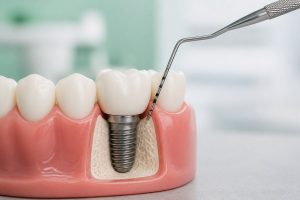
Dental implants are the most modern and durable way to replace missing teeth, offering remarkable function and appearance. Like natural teeth, however, they can develop problems if hygiene or general oral health is neglected. Peri-implantitis is the most serious complication that can occur around an implant, but modern technology now gives us effective ways to treat it.
What is peri-implantitis and what causes it?
Peri-implantitis is a chronic inflammatory condition affecting the gum and the supporting bone around an integrated dental implant. Over time it leads to bone loss and, in unfavourable cases, to loss of the implant.
The main causes and risk factors include:
- Poor oral hygiene: the build-up of plaque and calculus is the main trigger of infection.
- Smoking: nicotine reduces local blood flow and weakens the immune response, greatly increasing the risk of implant failure.
- A history of gum disease: patients who have lost teeth through periodontitis are more prone to peri-implant infections.
- Occlusal overload and bruxism: excessive forces or a misaligned bite place abnormal pressure on the bone around the implant.
- Uncontrolled systemic conditions: diabetes or autoimmune diseases that impair tissue healing.
How do we protect the investment in your smile?
A few simple rules can keep implants healthy for life:
- Careful hygiene at home: brushing twice a day and using a water flosser and interdental brushes to clean around the implant.
- Regular professional cleaning: visits every six months for scaling, air polishing and a peri-implant review, including the bite. A protective splint is advisable if you grind your teeth.
- Stopping smoking: reducing or giving up tobacco maintains a healthy blood supply to the gums.
The health of a dental implant depends on acting quickly at the first warning signs: bleeding when brushing, red or swollen gum, or slight mobility.
Current treatment for peri-implantitis
Once peri-implantitis is established, conventional treatment with mechanical cleaning and local antibiotics may not be enough. The modern approach at Didenta Implantology Art uses the laser, the most effective system for decontaminating and regenerating the affected tissues.
The major advantages of Fotona laser treatment in peri-implantitis are:
- Complete bacterial decontamination: the laser beam reaches deep into the peri-implant pockets, destroying the pathogenic and anaerobic bacteria responsible for the infection, without touching or damaging the titanium surface of the implant.
- Biostimulation and bone regeneration: laser light stimulates cell activity, speeding the healing of gum tissue and encouraging lost bone to rebuild.
- Minimally invasive and painless: the procedure significantly reduces bleeding, swelling and post-operative discomfort, and in many cases removes the need for major conventional surgery.
Do not let a minor infection lead to the loss of an implant. The team at Didenta Implantology Art is here for you, with the latest technology and a professional, understanding approach.