


 Permanent braces
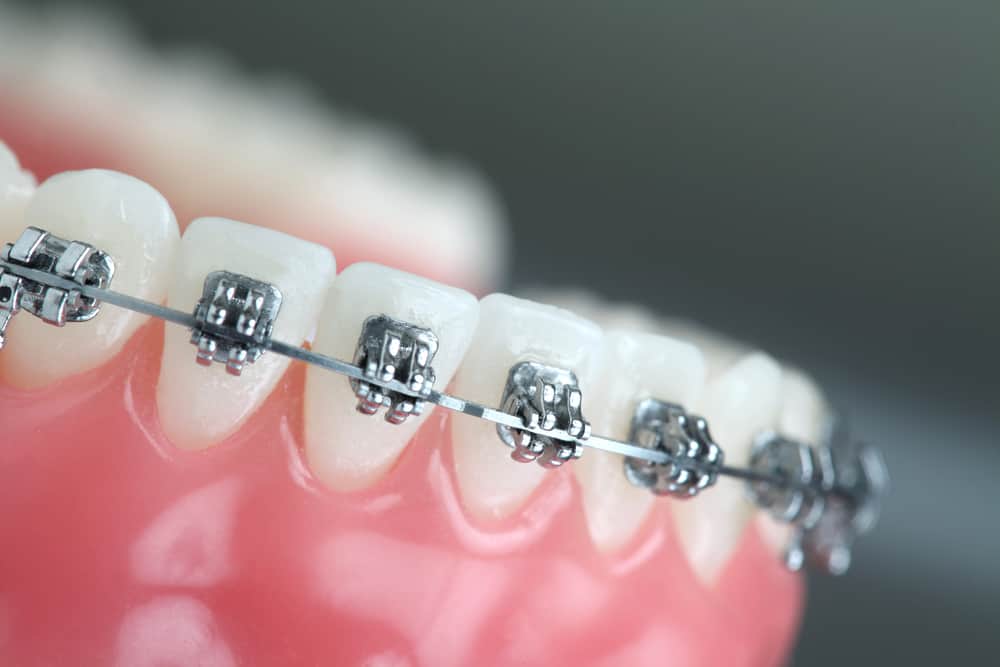
Brace’s principle is applying a constant pressure on teeth, in a desired direction, during a certain period. The applied force can’t be to big since it could affect the integrity and functionality of the teth and periodontal ligaments.
Permanent braces can be: metallic, ceramic, sapphire, incognito and invisalign.
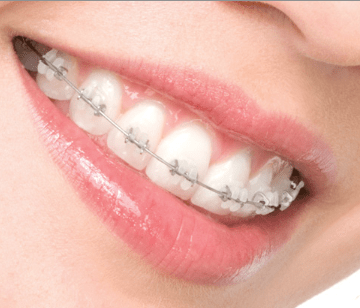
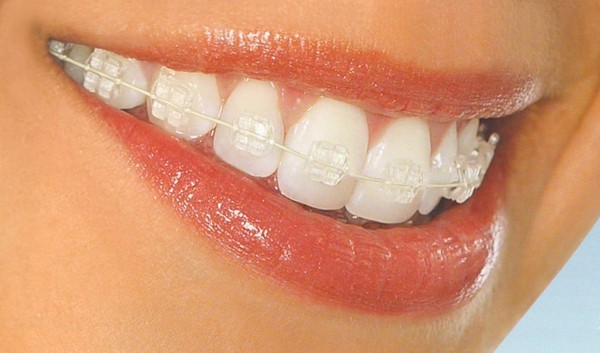 Are part of the invisible ones due to the ultramodern invisible brackets. These are made through advanced technology, using sapphire crystals, processed and sandered at high temperatures so as to imitate as much as possible the natural color of teeth. Sapphire crystal brackets are hard, enduring and exert an optimum pressure to correct the teeth faster.
Dental braces with sapphire brackets offer bigger efficiency and optimal results for a perfect smile.
 Each year, Schumer takes a trip to Martha’s Vineyard with her high school friends. But as she puts it to Stewart, this year they couldn’t go back. Whatever happened last year left them “banned” from the vacation destination. So they settled on the Hamptons, met up with Lawrence, and the rest is tabloid history. What caused the ban?
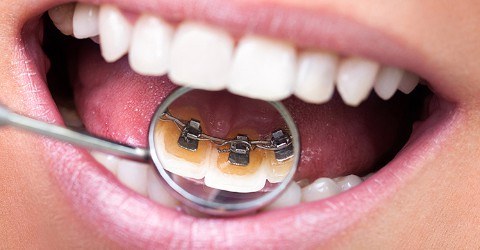
Have the psychological effect that it can fix orthodontical problems without the stress the patient feels when wearing regular braces. Since the brackets are fixed on the oral (palatine/lingual) side of the teeth, on the insides of the dental arches, you’ll be the only person who knows about it. The device is individually created in Germany, after a dental imprint taken in the dental office. The brackets are made out of gold, each arch being adapted to a precise treatment stage and the whole device is adapted to each case.
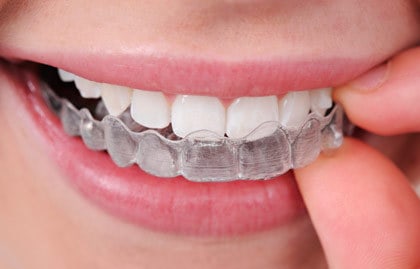
Consists of a series of almost invisible aligners (sheer plastic mouth guards), which change every 2 weeks, being used as an alternative to orthodontical treatment with permanent metallic brackets. Among the advantages of this device can be mentioned:
The average treatment time with Invisalign is a year, depending on both the complexity of the case and the consciousness of the patient to wear the aligners 22 hours a day.
It’s invisible, mobile and comfortable; no one will notice its existence; it’s easy to wear, because it’s personalized; it can be removed during meals; dental hygiene can be done in a comfortable way, without the risk of forming cavities; you can preview the final result through a 3D simulation as it offers a clear, defined and virtual treatment plan from the beginning to the end of it.
Anodontia
Represent the lack of one or more teeth from the arch resulted by the lack of corresponding buds.
Partial anodontitis is the most frequent dental anomaly. Most commonly is noticed at the lateral incisor, 2nd premolar or wisdom tooth.
The lack of these teeth can lead to masticatory disfunctions, talking deficiencies and aesthetic problems.
Depending on the missing tooth’s placement, the treatment involves: wearing an orthodontical device to favorize the closure of spaces and teeth alignment, inserting dental implants or applying a dental bridge.
Mandibular prognathism
A proeminent inferior maxillary can be a physical anomaly from birth or might come from buccal cavity, head or muscle disorders, appearing during childhood or puberty.
Clinically, the face has an overall disproportionate aspect: the inferior facial area appears proeminent, the superior area secluded, the lower lip covers the upper one, biting suffers due to this development delay, and the teeth are inclined to compensate for the incorrect bite. This malocclusion creates a discomfort when biting and masticating the food.
The treatment is a complex one, where a collaboration between the orthodontist and surgeon is needed for teeth alignment and bite correction, as well as surgically correcting the position of the two maxillaries.
Mandibular Retrognathism
Is a genetical growth and development disorder of maxillary bones.
Clinically, the face has an overall disproportioned aspect: the middle area looks proeminent, the inferior area looks secluded, the upper lip covers the lower one, the nose looks oversized, biting suffers due to this development delay, and the teeth are inclined to compensate the incorrect bite. This malocclusion creates a discomfort in incision and mastication of food.
The treatment is a complex one, where a collaboration between the orthodontist and surgeon is needed for teeth alignment and bite correction, as well as surgically correcting the position of the two maxillaries.
Dental crowdning
Can affect both dental aesthetic and health.
The causes could be the following:
- Disharmony between the size of the teeth (too big) and the size of the maxillary bone (too small)
- Not enough space on the arch for wisdom teeth’s eruption, which will crush the other teeth to erupt
- Precocious extraction of milk teeth. In fact the main cause is profound cavity which leads to their infection. In this case, if a milk tooth is extracted at least one and a half year earlier, the teeth will migrate and in the respective place a new tooth is going to grow. This way the whole dental eruption chronology is delayed.
Dental cramping is treated by wearing a orthodontic device. If the anomaly is found during early childhood, it’s easier to treat!